


Belly fat is more than just a wardrobe malfunction; it’s a health hazard, especially for men between the ages of 35 and 69. Accumulation of excess abdominal fat is associated with an increased risk of cardiovascular diseases, including heart attacks. Disturbingly, it’s not just an issue for those with an overall high body mass index (BMI); even individuals retaining a normal weight can be at greater risk if they have a substantial amount of abdominal fat. This visceral fat is particularly insidious because it positions itself around vital organs and releases chemicals that can lead to inflammation and insulin resistance, both of which are precursors to a variety of serious conditions, not least heart disease.

Tackling the menace of belly fat and achieving a flatter stomach can be approached from several fronts, and the key to success is a multi-pronged strategy. Consuming plenty of water daily not only helps to maintain skin health and youthfulness but also enhances metabolism and reduces food cravings—sparkling water can be a helpful alternative. A diet rich in nutrient-dense foods supplies the body with the necessary vitamins, minerals, and amino acids, all of which play crucial roles in energy production, metabolic rate enhancement, and disease prevention. On the other hand, managing evening relaxation with choices like blueberries and high-percentage dark chocolate, alongside supplements like magnesium and L-Theanine, can support overall wellbeing and stress reduction.
Understanding Belly Fat and Heart Attacks
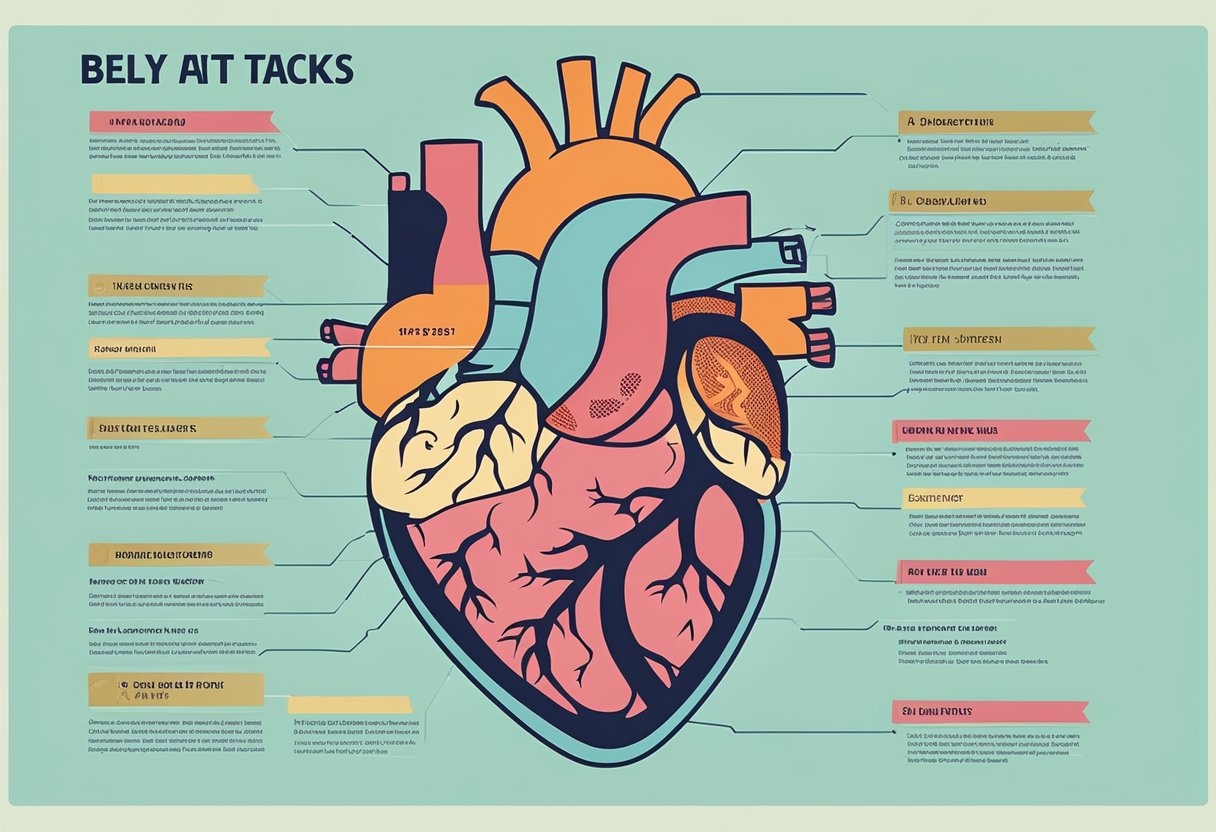
Carrying excess belly fat is a significant risk factor for cardiovascular disease, particularly for men aged 35-69. It is important to understand the link between this type of fat and the potential for heart attacks, as well as the specific risks this age group faces.
The Link Between Visceral Fat and Cardiovascular Disease
Visceral fat, the fat stored within the abdominal cavity, is particularly dangerous for cardiovascular health. Unlike subcutaneous fat, which is located beneath the skin, visceral fat surrounds vital organs and releases inflammatory substances. These substances can contribute to insulin resistance, potentially leading to diabetes, and increase the risk of heart attack and heart failure. Furthermore, visceral fat is linked to higher blood pressure and can lead to a higher risk of mortality due to cardiovascular events. Research from Medical News Today emphasizes that abdominal obesity is associated with both fatal and non-fatal heart attacks and strokes.
Age-Specific Risks for Men
Men between the ages of 35-69 are at a heightened risk of heart attacks due, in part, to visceral fat accumulation. As men age, their risk of developing cardiovascular diseases increases because of various factors, including lifestyle choices and genetic predispositions. The presence of excess belly fat exacerbates these risks by contributing to chronic inflammation, high blood pressure, and diabetes, all of which are established precursors to cardiovascular disease and subsequent heart attacks. It’s essential for men in this age group to monitor and manage their abdominal fat to reduce the likelihood of cardiovascular events.
Hydration and Its Benefits

Proper hydration is vital for maintaining overall health, supporting metabolism, and assisting in appetite control. It’s not just about quenching thirst, but a strategic approach to improving bodily functions and vitality.
The Role of Water in Metabolism
Water is a fundamental component in various metabolic processes within the body. It serves as a solvent for biochemical reactions, facilitates the transport of nutrients and waste materials, and helps regulate body temperature. A well-hydrated body is synonymous with a properly functioning metabolism. The daily recommendation of water intake ranges from 2 to 4 liters, contingent on physical activity levels and individual needs. It’s important to adjust intake according to the body’s signals and requirements.
Drinking Water to Curb Cravings
One effective strategy to manage cravings is to drink water, especially sparkling water, which can provide the sensation of fullness without additional calories. This can help reduce the urge to snack and support weight management efforts. People often mistake thirst for hunger, so it’s recommended to have a glass of water and wait a few minutes to see if the craving subsides before reaching for food.
Nutrition and Health
Nutrition plays a critical role in maintaining optimal health and preventing a range of diseases. A proper diet filled with nutrient-dense foods can significantly reduce the risk of developing health issues, including heart attacks, diabetes, and cancer.
The Importance of Nutrient-Dense Foods
Nutrient-dense foods are those that are high in vitamins, minerals, amino acids, and other essential nutrients while being relatively low in calories. These foods contribute to high energy levels and support a robust metabolism that can burn fat more effectively. Incorporating healthy fats, such as monounsaturated and polyunsaturated fats, into one’s diet can also have a positive impact on health. For example, monounsaturated fats found in avocados and nuts can help manage cholesterol levels, thus reducing the risk of heart disease.
- Monounsaturated fats: Avocados, olive oil, nuts
- Polyunsaturated fats: Flaxseeds, fish, walnuts
Conversely, diets high in saturated fat might lead to adverse health outcomes, including an increased risk for heart disease. It’s crucial to balance the intake of different types of fats to maintain heart health and overall wellness.
Preventing Disease Through Diet
An effective prevention strategy against diseases such as diabetes and cancer involves a diet rich in specific nutrients that promote health while limiting elements that harm it. Foods high in fiber, for example, have been associated with a lower risk of cancer and diabetes by helping to regulate blood sugar levels and contributing to satiety which can prevent overeating. Furthermore, diets that are low in refined sugars and high in whole foods can help to maintain insulin sensitivity, which is pivotal in preventing diabetes and managing healthy weight levels.
- Fiber-rich foods: Legumes, whole grains, vegetables, fruits
- Whole foods to consider: Leafy greens, berries, lean proteins
Through a diet consisting of whole, nutrient-dense foods, individuals can enhance their body’s ability to fend off disease, sustain a healthy weight, and reduce the likelihood of developing chronic conditions. It is essential to recognize the ability of a well-rounded diet to not only improve physical health but also to offer protective benefits against serious health complications.
Relaxation Techniques for Better Health
Implementing relaxation techniques such as choosing calming foods and supplements can be an effective strategy for maintaining heart health and managing high blood pressure.
Natural Foods That Promote Calm
Certain foods have a natural ability to help the body relax and reduce stress levels, which is critical for those concerned about heart health. Blueberries are packed with antioxidants and can aid in stress reduction. Daily consumption of blueberries may help lower the risk of developing conditions related to stress, like high blood pressure. In addition to fruits, dark chocolate, specifically those with 70-100% cocoa, can also have a calming effect. The flavonoids in dark chocolate may contribute to lowering blood pressure and improving heart health.
Supplements for Evening Relaxation
Supplements containing Magnesium and L-Theanine can be beneficial for evening relaxation. Magnesium plays a role in supporting muscle and nerve function and may help in reducing high blood pressure, a risk factor for heart attack. L-Theanine, an amino acid found in tea leaves, has been linked to promoting relaxation without drowsiness. Such supplements, when taken as directed, can complement a relaxation routine aimed at improving heart health.
Physical Activity’s Impact
Physical activity is instrumental in strengthening heart health and reducing the risk of heart disease. Engaging in the right types of exercise can improve cardiovascular health, manage high blood pressure, and help prevent heart attacks and heart failure.
Resistance Training Over Cardio
Resistance training, contrary to popular belief, is highly effective in burning calories and facilitating cardiovascular health. Lifting weights 3-5 times a week can lead to an increase in muscle mass, which in turn boosts metabolism. Enhanced metabolic rate means the body burns more calories even at rest, which can reduce the risk of cardiovascular disease. Moreover, the growth hormone spike associated with muscle repair following resistance training may contribute to fat loss, including the harmful belly fat linked to heart health issues.
Daily Steps for Optimal Health
Incorporating walking into daily routines is another tangible step towards cardiovascular wellness. Amassing 10,000 to 20,000 steps per day is associated with optimal health benefits. Regular walking helps to maintain a healthy blood pressure, supports the control of weight, and is beneficial for overall cardiovascular health. Walking is a low-impact cardiovascular exercise that’s accessible to most people and can reduce the likelihood of heart attack and heart failure without the stress of intense cardio workouts.
Social Influences on Health
Social relationships and environments can significantly impact health outcomes. This section explores the role of a supportive social network and the repercussions of stress on weight and overall health, both of which play a pivotal role in managing cortisol levels, inflammation, and risks for conditions such as heart attack and high blood pressure.
Choosing a Healthy Support Network
A robust support network can influence healthy behaviors and attitudes. Surrounding oneself with individuals who prioritize healthful living can lead to improved dietary choices and increased physical activity, which are crucial for heart health and reducing the risk of high blood pressure. Studies have suggested that social connections encourage a healthy lifestyle that can mitigate inflammation and cortisol production, factors associated with chronic diseases.
The Effect of Stress on Weight and Health
Chronic stress triggers the release of cortisol, a hormone that can promote weight gain and increase the risk of heart attack. Elevated cortisol levels can lead to storage of visceral fat and inflate the risk of high blood pressure and inflammation, which are detrimental to overall health. Constructive ways to manage stress include engaging in regular physical activity and mindfulness practices, which contribute to weight control and could potentially lower the probability of experiencing a heart attack.
Intermittent Fasting
Intermittent fasting has gained popularity as a method to potentially improve clarity and overall health, and it may also have implications for heart attack prevention.
Time-Restricted Eating Benefits
Time-restricted eating, one of the most commonly practiced forms of intermittent fasting, narrows eating to a specific window of time each day. By eating within a 4-8 hour period and fasting for the remaining 16-20 hours, individuals can experience a range of benefits:
- Increased Clarity and Focus: Fasting periods naturally lead to a state called ketosis, which can enhance mental clarity.
- Health and Wellness Support: Fasting can support metabolic health and reduce the risk of obesity, a key risk factor for heart attacks.
Note: Individuals should always consult a healthcare professional before starting an intermittent fasting regimen.
Essentials for Safe Fasting
To fast safely, one should consider the body’s nutritional needs during periods of reduced food intake:
- Hydration: Maintain adequate fluid intake with water or an electrolyte drink to support vital bodily functions.
- Nutrient Supplementation: Essential vitamins, specifically B vitamins, and minerals can help sustain energy levels and prevent deficiencies.
Maintaining safety and health during intermittent fasting is crucial. It is beneficial for individuals to seek guidance from healthcare providers to tailor their fasting practices to their personal health profiles.
Dietary Considerations
In mitigating the risk factors associated with conditions such as diabetes, heart attack, and stroke, dietary considerations play a pivotal role. Specific nutrients have been identified as contributing to these health issues, and maintaining a balance between a healthy diet and occasional indulgences is crucial.
Limiting Harmful Nutrients
Excessive intake of saturated fats is a known contributor to cardiovascular diseases, including heart attacks and stroke. They should consume saturated fats sparingly, as they can increase cholesterol levels and heighten the risk of heart disease. Individuals concerned about their health, especially those at risk for diabetes, should limit simple carbohydrates and opt for complex ones as the latter help in maintaining stable blood sugar levels.
- Examples of foods high in saturated fat to limit:
- Red meat
- Full-fat dairy products
- Coconut and palm oils
- Recommended carbohydrate choices include:
- Whole grains
- Vegetables
- Fruits
Balancing Diet and Indulgence
Adopting an 80/20 approach where 80% of the diet consists of nutrient-dense foods—rich in vitamins, minerals, and amino acids—and allowing 20% for personal indulgences can promote both physical health and psychological well-being. This strategy prevents the feeling of deprivation and helps sustain a long-term healthy eating pattern, which is essential for preventing obesity, a notable risk factor for diabetes and heart attacks.
- Nutrient-dense foods to include:
- Lean proteins (chicken, fish, legumes)
- A variety of vegetables
- Whole fruits
- Indulgences might feature:
- A slice of cake
- Small portions of dark chocolate
- Occasional favorite snacks
Incorporating these dietary considerations with consistency can substantially reduce risks associated with poor diet choices and foster overall health.
Motivation and Mindset
Maintaining a healthy lifestyle is a journey that requires motivation and a clear mindset. Success in this endeavor hinges on understanding the deep-seated reasons that propel someone toward their goals.
Identifying Your ‘Why’
Identifying one’s ‘Why’ is a pivotal step in fostering a consistent and long-term approach to health. This underlying motivation serves as the anchor that keeps individuals steadfast when faced with challenges. Whether it is to maintain optimal health, to enhance daily function, or to prolong their ability to engage in activities they love, pinpointing the exact reason can significantly amplify their dedication to adopting healthier habits.
Conclusion
Achieving a flat belly over the course of 30 days can contribute significantly to reducing the risk of cardiovascular disease and heart attacks, especially in men aged 35-69. Implementing daily hydration with 2-4L of water can aid in better metabolism and reduce cravings. It’s not just about the quantity but also the quality of water, so using a Berkey water filter can be beneficial.
A diet focused on nutrient-dense foods is essential because it provides the body with vitamins, minerals, and amino acids, necessary for maintaining high energy levels and supporting metabolic functions that target fat burning. Incorporating relaxation techniques with blueberries or dark chocolate, and supplements like magnesium, can aid in evening recovery.
A structured exercise regimen that includes weight lifting and achieving 10,000-20,000 steps a day not only accelerates caloric burn but also stimulates hormone production that can assist in fat loss. Bridging social connections with people who lead active lifestyles can inherently promote healthy behaviors, thereby lessening stress-induced cortisol production, which is linked to sugar production and potential weight gain.
Intermittent fasting and selective dietary abstinence can enhance mental clarity and energy, decreasing the urge for frequent snacking. However, consultation with a health professional is advised before starting fasting regimes. Limiting intake of high-carb foods, alcohol, and excessive sugar helps maintain balanced insulin levels, crucial for continuous fat burning.
Embracing a flexible dietary approach with an 80/20 balance can prevent the setbacks of aiming for perfection, allowing for sustainable lifestyle changes. Finally, having a strong motivational drive — a compelling ‘why’ — reinforces commitment and resilience in the pursuit of a healthier life, reducing the likelihood of heart attacks and contributing to overall health.
